Statistics3

The Data Quality – The Complete Course certification provides comprehensive knowledge of data quality concepts, principles, and techniques to maintain high-quality data. It emphasizes methodologies for continuous quality improvement and data governance strategies. The certification is vital to various industries such as health, finance, and technology, where reliability and accuracy of data are critical. It aids in ensuring data integrity, reducing errors, and improving decision-making processes. It also covers data profiling and cleansing, managing data quality in data integration, and using data quality tools. This certification helps in understanding, measuring, and improving data quality, thereby boosting operational efficiency.
The learning objectives of the Data Quality – The Complete Course would aim to equip learners with comprehensive knowledge about the concept, importance, and processes of ensuring data quality. Students would learn to identify and rectify common data issues, improve data quality by using proven strategies and tools, understand the regulations related to data quality, and interpret data quality metrics. They would also learn to design a data quality framework and implement data quality management in their organization. The course would provide them with the skills to become a key player in making data-driven decisions and ensuring the trustworthiness and efficacy of the data used.
This course is intended for individuals with at least a basic understanding of data concepts. Prior knowledge will be helpful, but not required. Some topics that will be covered include data cleansing and validation, data standards and conventions, data validation and consistency, and data integrity. You must possess a basic understanding of the different types of data, including relational data, structured data, and big data. Familiarity with data modeling, databases, and SQL will also be helpful. Additionally, some knowledge of programming may be beneficial, as the course will involve the use of Python.
| Batch Dates | Duration | Batch Options | Language | Action |
|---|---|---|---|---|
| 07 December 2026 - 11 December 2026 | 5 Days | 4 hours & 8 hours | English/ Arabic | |
| 08 March 2027 - 12 March 2027 | 5 Days | 4 hours & 8 hours | English/ Arabic | |
| 14 June 2027 - 18 June 2027 | 5 Days | 4 hours & 8 hours | English/ Arabic | |
| 20 September 2027 - 24 September 2027 | 5 Days | 4 hours & 8 hours | English/ Arabic |
Can’t find a suitable date? Request a schedule that fits your team.
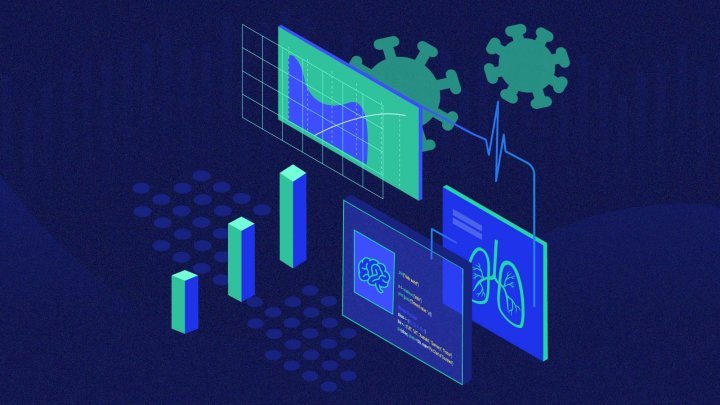
Request More InformationThis course aims to equip individuals with the foundational knowledge and skills needed to understand, interpret, and apply statistical methods in medical research and practice. It enables participants to critically evaluate medical literature, make informed decisions, and contribute effectively to healthcare research.
This course is designed for healthcare professionals, researchers, students, and anyone interested in understanding the statistical aspects of medical research. It is suitable for beginners with little to no prior knowledge of statistics.
The course covers essential topics such as probability, descriptive statistics, inferential statistics (including hypothesis testing and confidence intervals), correlation and regression analysis, and an introduction to clinical trials and epidemiology.
No prior statistical knowledge is required. This course starts from the basics and gradually progresses to more advanced concepts, making it accessible to individuals with varying levels of expertise.
The course is typically delivered through a combination of lectures, practical exercises, case studies, and interactive discussions. It may also incorporate online resources and multimedia tools to enhance learning.
Choose how you learn — live online, in-classroom, at your workplace, or internationally. CounselTrain delivers certified IT training across the UAE in the format that fits your team.
Select the method that best suits your needs.
Learn from the comfort of your workplace or at home through live virtual sessions led by expert trainers.
Learn moreHighlights
Participate in interactive, face-to-face training in our top 5-star training facilities in Dubai.
Learn moreHighlights
Learn a customised curriculum in your workplace to ensure the most impact and team participation.
Learn moreHighlights
Participate in our international training sessions and improve your abilities with world-class instructors.
Learn moreHighlights
Other courses in the same category that might interest you.